control / The practical guide
The annual bills your monthly budget forgets
Make renewals and irregular costs part of the plan before they land in your inbox.
General education, prepared with AI assistance. No independent adviser review is claimed. How we prepare our guides and handle corrections.
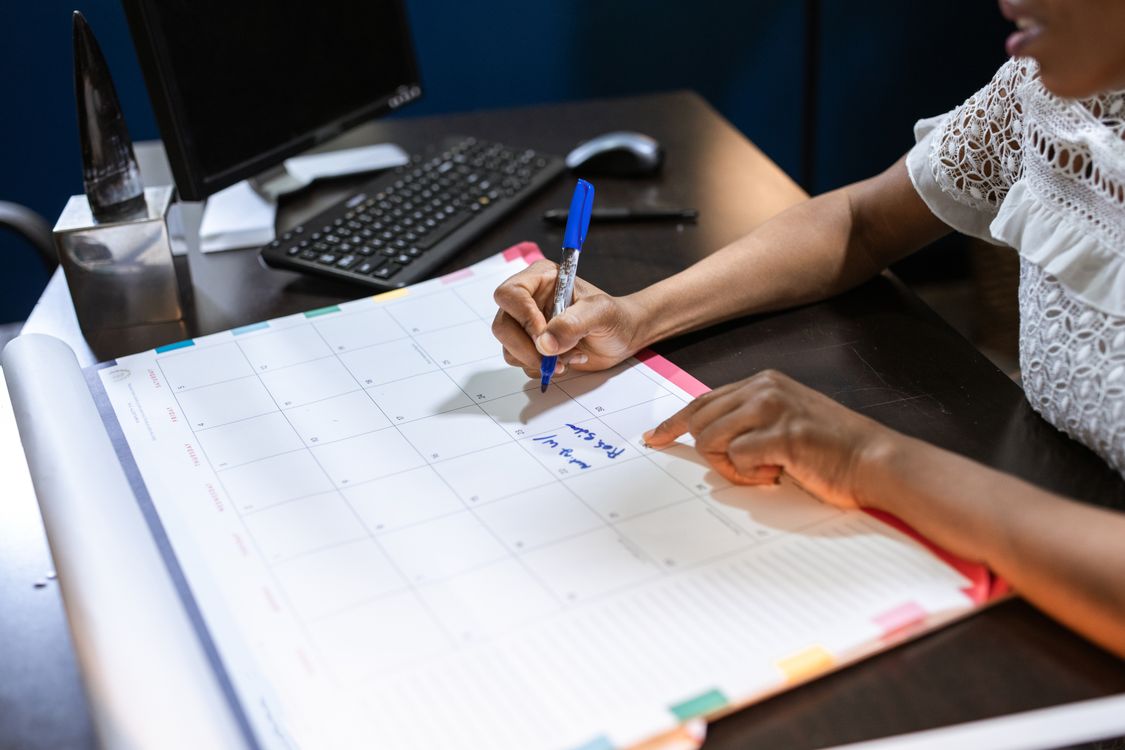
The renewal email arrives and the price is not even the biggest surprise. It is the realisation that nothing has been put aside for it. Annual bills are easy to overlook because most budgeting starts with a typical month. A simple twelve-month calendar can make those less frequent costs visible while there is still time to prepare.
- A known annual bill is different from an emergency.
- Divide the remaining cost by the paydays left before it is due.
- Compare insurance cover and total cost, not just the first price.
Make a small inventory
Look through the previous year’s statements and your calendar. Search for insurance, vehicle servicing, annual memberships, school costs and celebrations. Add any new commitments for the coming year. Start with the expenses most likely to disrupt your month; a perfect list of every possible cost can wait. Next to each item, write the expected date, estimated amount and where that estimate came from.
Turn a date into a saving target
Money reserved for a known future cost is often called a sinking fund. Here is an original example: a £360 expense is due after six more paydays and £90 is already reserved. The gap is £270, so six equal contributions would be £45 each. If only five contributions can arrive before the due date, the amount becomes £54. Count actual paydays rather than assuming every month gives you another opportunity.
Separate the plan from the estimate
Use three labels: confirmed, estimated and unknown. A confirmed bill can have an exact amount. Last year’s insurance premium is an estimate for next year, not a quote. An unknown repair needs further investigation. Keep the source beside the number so it is easy to update. In the example above, a revised cost of £420 creates an extra £60 gap; acknowledging it early leaves more time to adjust.
Put renewal review on the calendar too
For an insurance renewal, reserve time before the expiry date to check your needs and compare alternatives. Use consistent, accurate information across quotes. Compare cover, exclusions and excesses, and read the insurer’s documents before buying. Comparison services do not necessarily show every provider. The first result can also be sponsored. For complex circumstances, an appropriate specialist broker may help with questions that a comparison form does not address.
Check the payment arrangement
Compare the full amount payable over the year if paying monthly, including any interest or fees, with the annual premium. Then consider timing: a cheaper annual total still needs to be affordable on its due date. Record deposit and instalment amounts separately when applicable. Do not cancel an existing policy until you understand the cancellation terms and have confirmed any replacement cover and its start date.
Keep the system easy to maintain
You do not need a separate account for every item. A clear worksheet can distinguish money for the car from money for an unexpected emergency. Review the list once a month and whenever a quote arrives. If the contribution is unaffordable, change a flexible goal, investigate the cost or seek help with the wider shortfall. Moving money between labelled pots does not increase the total available.
Make it useful
Your next-step checklist
Tick these as you read. Your choices are not saved.Questions you might still have
Is this the same as an emergency fund?
No. A known annual premium has an expected purpose and date. Emergency savings cover genuinely unexpected costs or disruption to income.
What if the bill is due soon?
Work with the time actually available. Dividing a bill due next month by twelve understates the immediate gap. The next annual cycle may allow a longer preparation period.
Bills, renewals & BNPL calendar
Find the commitments landing before your next income. Use the tool here or take a worksheet away.
Open this toolkit Free to use · No signup · Your working figures stay with you.Keep building your understanding
One guide. A useful next step.
Explore the D2W app we are building, or find another practical guide.
Explore D2W Browse all guides